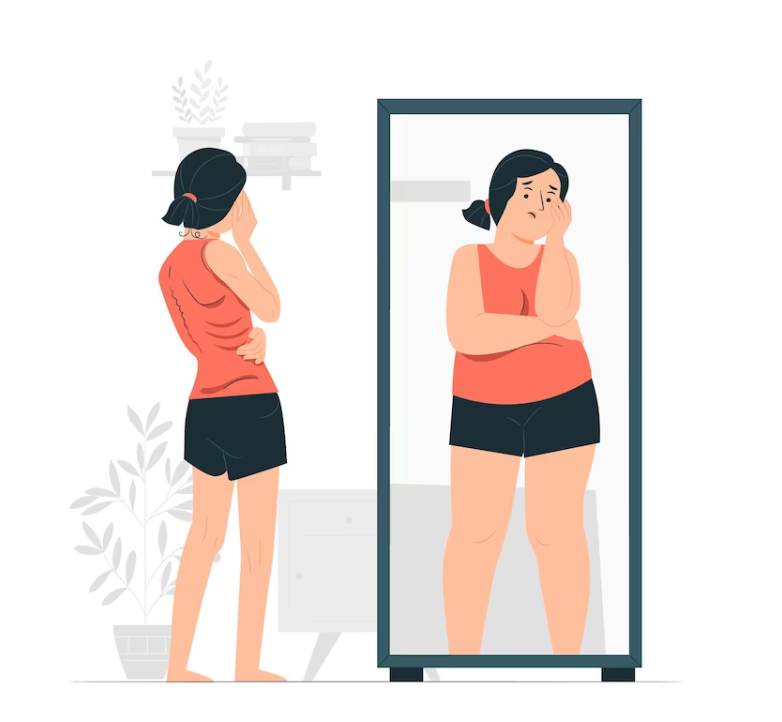
A lot of people tend to use “behavioral health” and “mental health” interchangeably as if they mean the same thing. And honestly? It’s not really hard to see why. They do overlap in terms of how it affects how you feel and how life is going day to day. But while they do overlap in terms of how it affects how you feel and how life is going day to day, they aren’t exactly the same thing. And if you know the difference between the two, it can really help you know which one is right for you. And if you’ve been looking for mental health services and wondering where to turn, mental health services can help you no matter how you feel: emotional, behavioral, or a mix of everything.
In this blog post, we’ll help break down what is meant by “behavioral health” and “mental health,” how it all overlaps, and where you can turn for help.
What Is Behavioral Health? A Simple Guide to Behavioral Health Services
On the other hand, behavioral health deals with the impact of your behavior and how you deal with certain things on your overall wellness, such as your physical and emotional well-being. It also has to do with what you are doing in response to the situation or feeling, and how it will be good or bad for you in the long run.
These are essentially what behavioral health services are all about.
- Self-injury or self-harm
- Substance abuse and dependency
- Gambling dependency
- Eating disorders and disordered eating
- General patterns of avoidance and/or unhealthy ways of coping

They include things such as:
Behavioral health care is a process that involves education and/or skills training in a step-by-step fashion.
What Is Mental Health ?
Mental health is more about your thoughts, feelings, and biological aspects of mental well-being. It is composed of mental states like mood, perception, thought, and emotional states.
The common mental health issues are:
1. Depression
2. Anxiety disorders
3. Bipolar disorder
4. Schizophrenia
5. PTSD and trauma disorders
A mental health clinic can provide help for evaluation, diagnosis, and treatment. Depending upon your needs, treatment can range from therapy to medication management or treatment planning. The focus is to help you feel better, not judged.
Key Differences Between Behavioral Health and Mental Health
Here’s a simple way to look at it:
- Behavioral health is concerned with actions and reactions, what you do and how you react.
- Mental health is concerned with feelings and thoughts, and how for instance, feelings of anxiety (mental health problems) can lead to behavioral problems such as avoidance or substance abuse.
- Depression can lead to behavioral problems such as withdrawal, sleeping problems, and eating problems.
A Behavioral Health Center can help determine exactly what kind of treatment is needed, especially in a situation where there are mixed symptoms and you are not really sure what is causing what.
How Behavioral Health and Mental Health Are Connected
In many settings, behavioral health is used as an umbrella term that includes mental health. The reason is simple: mental health and behavior influence each other constantly. When you’re struggling emotionally, your routines change. When your routines fall apart, your emotional health often worsens.
This is also where local, coordinated programs can help. Behavioral Health Jacksonville support often combines counseling, education, and coordinated care so you’re not trying to manage everything alone. How Behavioral Health Jacksonville programs often combine counseling, education, and coordinated care is a big reason many people find behavioral health settings helpful, especially when they need both emotional support and practical structure.
When to Seek Help Mental Health Services
You don’t have to wait until things are “severe” to reach out. Early support is usually easier and more effective than crisis care.
Warning signs that it may be time to seek mental health services include:
1. Mood swings (sadness, irritability, or a lack of emotion)
2. Sleep problems or fatigue
3. Changes in appetite or weight
4. Withdrawing from normal activities or being alone
5. Difficulty functioning in daily life, work, or school
Red flags that may point to behavioral health concerns include:
- Behaviors that are difficult to control
- Substance use as a coping mechanism
- Self-harm or ideas about self-harm
- Disordered eating
If you notice any of these warning signs, seeking help from a mental health service can prevent symptoms from becoming worse or harder to manage.
Getting the Right Diagnosis and Treatment Behavioral Health Services
It’s normal to be uncertain about what you’re going through, and that’s exactly why professional evaluation is necessary. A proper diagnosis or evaluation enables you to select a plan that actually fits, rather than attempting arbitrary measures that don’t hold up.
Treatment options:
- Therapy
- Psychosocial services
- Guidance in lifestyle habits
- Specialized care, where necessary
- Checking in to monitor and improve the plan
Good behavioral health services are also effective in long-term recovery and preventing future episodes, particularly where habits are a part of the equation.

Where to Get Support Behavioral Health Center
If you are trying to decide where to start, this is a simple way to decide:
A mental health clinic is a good place to get help if you are having problems with mood swings, anxiety, panic attacks, or trauma and are seeking mental health treatment.
A Behavioral Health Center is a better place to seek help if you are having problems with your behavior, such as substance abuse, self-injury, eating problems, or any other problems in your lifestyle that may be causing problems in your health and relationships.
Questions to ask any provider:
- What is the wait to get an appointment?
- What kind of therapy is provided?
- Do you work with other providers to help me get treatment?
- What kind of support is there after my appointment?
If you’re still unsure about where to turn, don’t worry! Just starting somewhere is often the best thing to do. A good provider can help you get to the right level of care.
Conclusion
Both behavioral health and mental health are related to each other but not exactly the same. Mental health is more focused on thoughts, emotions, and mental health conditions, while behavioral health is more focused on behavior, coping skills, and behavioral patterns. Both aspects of health are important and should be supported.
If you’re ready to move forward with your mental health and behavioral health services, find a trusted Behavioral Health Jacksonville provider or mental health clinic to discuss your mental health services and behavioral health services needs.
Get the Right Support Without Guessing
A quick assessment can help you understand whether you need mental health services, behavioral health services, or both.