
Telehealth solutions can increase patient access to medical services via virtual consultations, checkups, and monitoring, while Telemedicine services Jacksonville offer patients to obtain necessary advice, monitor their diseases, and save their time and money.
The pace of change in healthcare has been incredible in recent years, and not only due to new technologies. Our healthcare system has become strained. There are too few available physicians for many communities and too many patients that need care, which results in long wait times.
That is when telehealth services come to rescue. There is no need to force all queries in an in-person consultation as telehealth makes it easier for patients to get connected from their own home, office, or even on travel. Telehealth is not about replacement of conventional medicine.
Today, many clinics are using Telehealth solutions to support faster access to Telemedicine services Jacksonville patients can actually use in real life. And as these options expand, more people are realizing that “seeing a provider” doesn’t always have to mean sitting in a waiting room.
What Is Telehealth?
Telehealth is a way for patients to meet with healthcare professionals virtually.
Common methods include:
- Phone calls
- Video visits
- Secure telecommunication tools and patient portals
The biggest benefit is simple: you can get medical guidance from almost anywhere, without needing to be physically present.
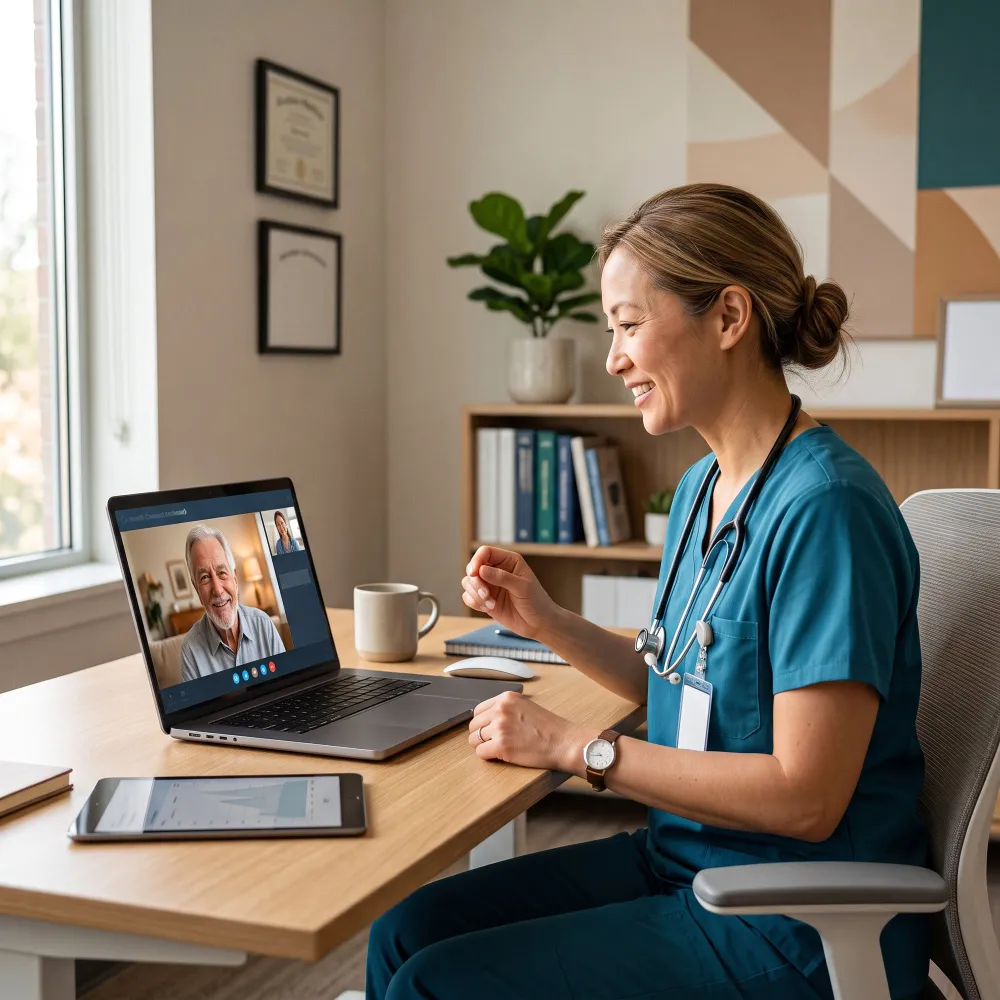
Why Are Healthcare Practitioners Bringing Telehealth Into the Home?
Telehealth isn’t just convenient for patients, it helps clinics and providers manage care more efficiently too.
How It Helps Patients
Telehealth can help patients:
- Save time: less travel, less time in waiting rooms
- Reduce costs: fewer transportation costs and less time off work
- Access care when location is a barrier: especially for people with mobility challenges, limited transportation, or busy schedules
How It Helps Clinics
For clinics, telehealth can:
- Reduce appointment bottlenecks
- Improve follow-up consistency
- Help route patients to the right level of care faster
- Support continuity when schedules are tight
In other words, it helps care extend beyond clinic walls.
What Types of Telehealth Services Do Clinics Commonly Offer?
Telehealth isn’t one single service. It’s a set of options that clinics can use depending on what a patient needs.
Full appointments can be some visits. Quick check-ins can be others. Some visits are great for follow-ups, while others assist you in deciding whether or not to see a doctor in person.
The aim is to fit the type of visit to the issue at hand, so that you can get the right care without any unnecessary delays.
Telehealth Service 1: E-Visits (Virtual Appointments + Follow-Ups)
An e-visit is a virtual visit where you and your physician communicate via a telehealth service, usually video but sometimes secure messaging, depending on your clinic.
What E-Visits Are Used For
E-visits are often used for:
- Initial visits (if applicable)
- Follow-ups following an in-person visit
- Review of lab results and further actions
- Medication questions and ongoing condition check-ins
Why It Helps
E-visits support continuity of care. Instead of skipping follow-ups because life is busy, patients can stay connected and keep their care plan moving.
Telehealth Service 2: Virtual Check-Ins (Quick Guidance Before a Full Visit)
A virtual check-in is a shorter conversation, often by phone or another telecommunication device.
What It’s For
The purpose is usually to determine whether you need:
- An office visit
- Additional testing
- A different healthcare service (urgent care, ER, specialist, etc.)
Why It Helps
Virtual check-ins save time and reduce stress. They help patients get routed to the right level of care without guessing.
How Telehealth Supports Patients Beyond the Local Area
Telehealth is especially helpful for people who:
- Travel often for work
- Live far from clinics
- Have mobility or transportation challenges
- Split time between cities or states
When using telehealth, it is possible to be in touch with health care professionals regardless of where you are located.
What Patients Need for a Smooth Telehealth Visit (Simple Checklist)
A successful telehealth encounter does not need any special devices, but some preparations will go well.
Here’s a simple checklist:
- Phone, tablet, or computer (camera helps for video visits)
- Stable internet or phone connection
- Quiet space + decent lighting
- List of symptoms (and when they started)
- Medication list (including supplements)
- A few questions written down so you don’t forget
If you’re doing a video visit, logging in a few minutes early can prevent last-minute tech stress.
When Telehealth Is a Great Fit vs When In-Person Care Is Better
Telehealth is a great fit for:
- Follow-ups
- Medication questions
- Non-urgent concerns
- Care guidance while traveling
- Reviewing results and adjusting a plan
In-person care may be better for:
- Physical exams
- Imaging or labs that must be done on site
- Severe or urgent symptoms
- Situations where a hands-on exam is needed for accuracy
If you’re unsure, a telehealth visit can still be a smart first step, your provider can tell you if you need to come in.
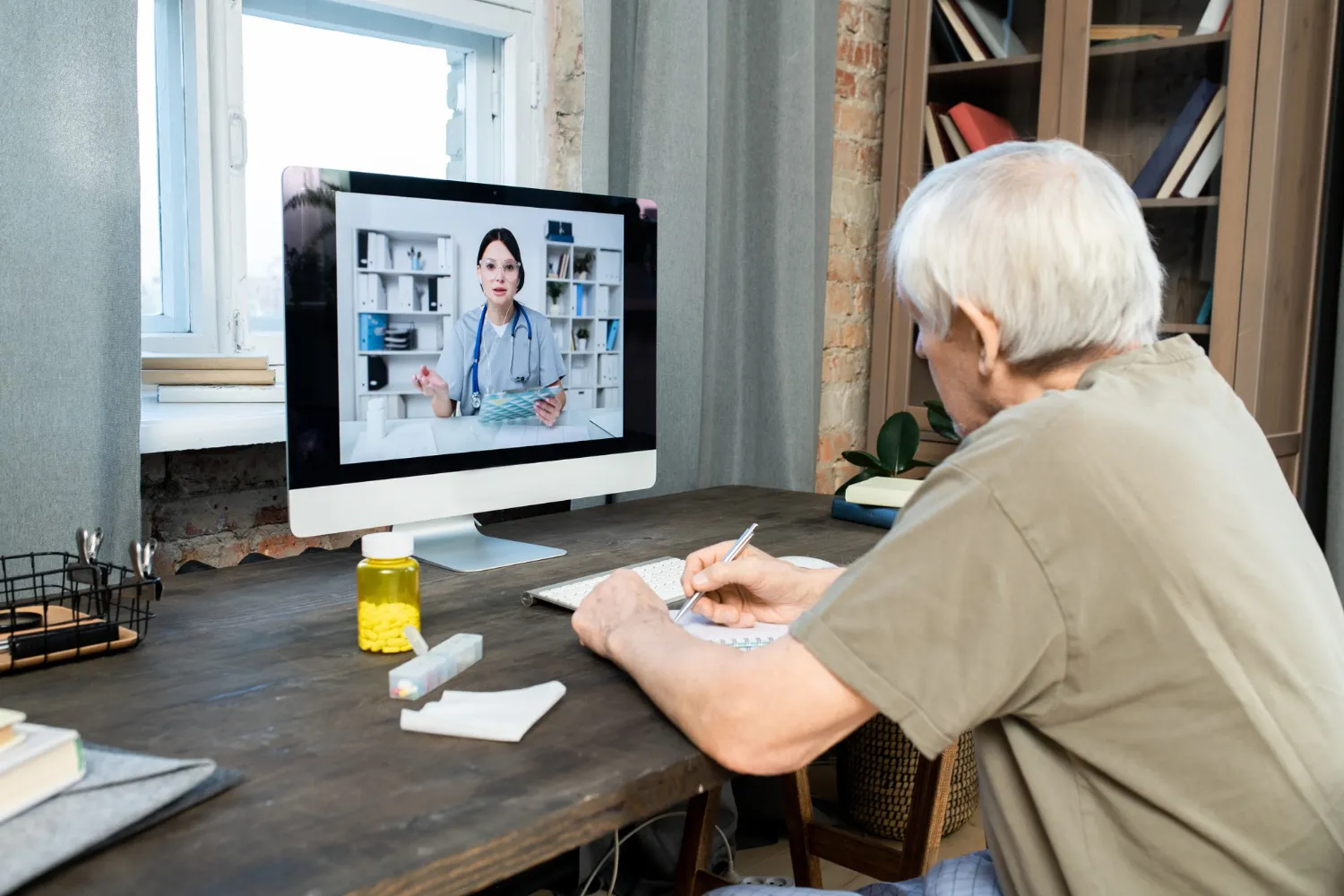
Conclusion: Telehealth Solutions Are Making Care More Accessible
Telehealth technology continues to rise as it addresses several challenges such as long queues, lack of access, and difficulty incorporating health care into people’s hectic schedule.
Incorporation of telehealth technologies allows clinics to overcome wait-time issues, increase access and provide continuous follow-up care. On the other hand, Telemedicine services Jacksonville can be an efficient way of receiving professional medical assistance at home and staying always in contact with the specialists regardless of your location.
If you want to get rid of difficulties associated with visiting the clinic for health issues, Valuecare Clinic will provide you with telehealth services that allow avoiding these obstacles.
FAQs
1) What Is Telemedicine?
Telemedicine is a type of telehealth that focuses on clinical care, like virtual doctor visits, follow-ups, and treatment guidance through phone or video appointments.
2) What Conditions Can Be Treated Through Telemedicine?
Many non-urgent concerns can be addressed through telemedicine, including minor illnesses, medication questions, follow-ups, and ongoing condition check-ins. Some issues still require in-person exams.
3) Is a Virtual Doctor Visit as Effective as an In-Person Visit?
For many concerns, yes, especially follow-ups, medication management, and symptom reviews. For conditions needing a physical exam, imaging, or labs, in-person visits may be more effective.
4) Can I Get a Prescription Through a Telemedicine Appointment?
In many cases, providers can prescribe medication through telemedicine when clinically appropriate, but it depends on your symptoms, medical history, and state regulations.
Faster Access When You Need Answers
Reliable Telemedicine services Jacksonville help you handle non-urgent concerns, follow-ups, and medication questions from wherever you are.