As people advance in years, their health needs shift in unpredictable directions. Balance issues can easily lead to falls. The introduction of a new drug may cause side effects that might be attributed to simply aging. Minor cognitive concerns may have implications for the safety of individuals as well as their daily functions. This is why early intervention becomes paramount, and primary care clinics become instrumental in maintaining the health, safety, and wellbeing of elderly persons.
In this blog post, we will explore some of the important factors to consider when providing care for the elderly, including geriatric evaluations, care teams, chronic disease management, prevention, medication reviews, and caregiver support among other pertinent topics.
Comprehensive Geriatric Evaluations In Primary Care Clinics
Aging care is more effective if it begins with an accurate picture rather than an emergency assessment centered on only one symptom. A holistic assessment for aging adults could entail many considerations such as physical well-being, functionality, mobility, risk of falling, psychological well-being, memory, nutritional well-being, sleep, social well-being, and environmental hazards in the patient’s home.
Early detection of these risks can lead to better care and improved quality of life since it will help to prevent certain situations, such as falls from balance problems, dizziness or confusion due to medication side effects, or even depression and social isolation.
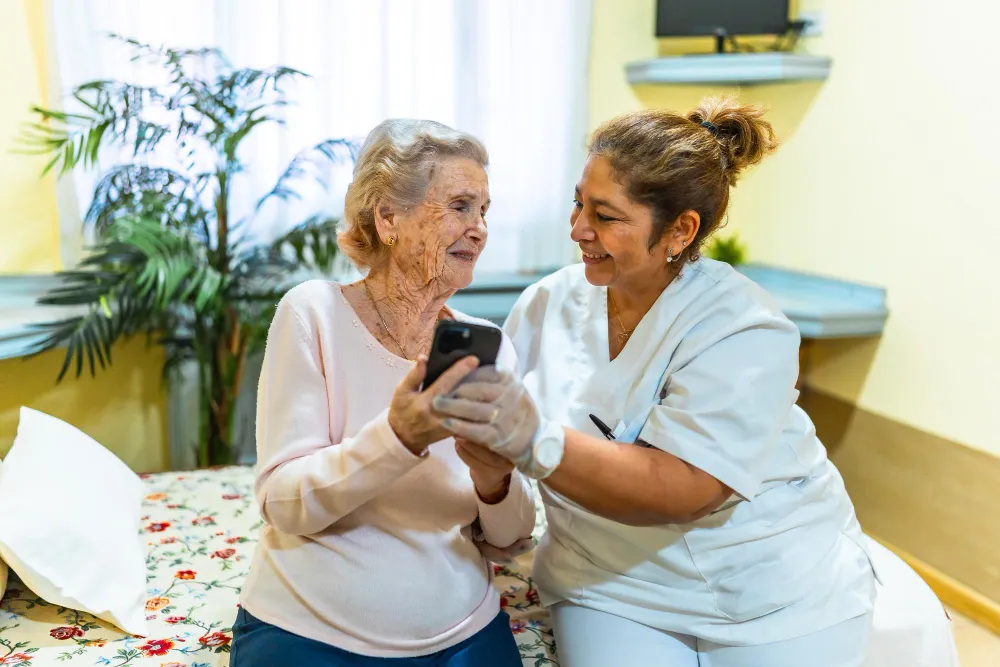
Given this data, a clinic can develop a plan for a patient that focuses on what matters to him/her.
Choosing A Primary Care Doctor in Jacksonville that Families Can Trust
The elderly need relationship-based care. When the provider is familiar with the patient’s background, medications, baseline functional status, and personal objectives, early detection and regular follow-up become more feasible.
An accessible physician for patients in Jacksonville who requires assistance in managing their medications, travel to appointments, or symptom tracking may include family members in their treatment plan. This promotes clarity and ensures that everyone is on the same page.
When selecting a provider, consider their ability to communicate effectively, be easily available, have experience handling geriatric issues, and discuss choices calmly and respectfully.
Multidisciplinary Support Through Primary Care Clinics
However, many older people have needs that intersect such as health, psychological, mobility, nutrition, and social support. With this regard, teamwork can meet all these requirements without forcing patients to coordinate all their health needs independently.
The team may include different health specialists depending on the clinic and particular case. It helps prevent gaps in services provided as well as make sure that one service does not contradict another.
With good communication among specialists, it is possible to prevent duplication in diagnostic tests, referral errors, and miscommunication regarding medication usage.
Chronic Condition Support and Monitoring In Primary Care Clinics
Chronic illness treatment is among the greatest demands among aged populations. Illnesses such as diabetes, high blood pressure, arthritis, chronic obstructive pulmonary disorder (COPD), heart diseases, and kidney problems need consistent observation and minor modifications.
In such cases, clinics play a key role in helping seniors with routine physical examinations, laboratory tests, symptoms analysis, lifestyle modifications, and necessary referrals. Clinics can assist patients to make sense out of their statistics and identify significant changes that need attention.
When elderly people are well-informed and provided with sufficient assistance, they will be able to comply with the treatment plan.
Preventive Screenings and Wellness Visits At A Primary Health Centre Near Me
Prevention is vital at all ages, especially when there are heightened risks. The primary health centre near me can assist with prevention through screening, vaccinations, laboratory tests, and visits that help detect potential problems early and minimize their impact.
This can also be a good opportunity to get some information and plan ahead. Among the issues you can discuss are diet, physical activity, preventing falls, sleep, fluid intake, bone strength, and safety practices at home. Prevention is more than just tests; it aims to keep seniors stable and self-sufficient.
Medication Safety and Reviews with Primary Care Doctors in Jacksonville Seniors Trust
The danger of drug overdose is very much a reality in cases where many different specialists get involved. Overdoses, drug interactions, and adverse reactions may result in dizzy spells, mental confusion, accidents, digestion problems, or even exhaustion.
An internist that older patients in Jacksonville visit regularly will play a significant role in managing these drugs. Drug management may involve assessing the side effects, dosages, timing, duplications, and even adherence measures.
This is possibly one of the most useful things that one can do to improve their quality of life.
Same-Day Access and Convenience with Primary Walk In Medical Options
Seniors who have urgent but non-life threatening conditions could take advantage of the walk-in service offered by primary care clinics where they are able to be seen quickly when symptoms arise.
This would avoid them ending up in the ER and causing additional stress to both themselves and their caretakers. It all depends on making sure that after visiting, they do not feel abandoned or neglected in any way.
Supporting Independence, Safety, and Caregiver Communication Through Primary Care Clinics
The independence of elderly individuals can be improved through primary care, where issues related to mobility, home safety, visual impairments, and hearing impairment will be addressed. Small modifications in an elderly person’s daily routine may have an enormous impact on his/her life.
The involvement of a caregiver is equally important in ensuring the independence of an elderly individual. Proper caregiver participation in the process can improve the patient’s adherence to taking medication, going to appointments, and identifying the earliest signs of disease.
FAQs
What Would Be Covered In A Geriatric Assessment Done At A Primary Care Facility?
The assessment may include health status, ability to move and risk for falls, mental state, memory tests, review of medication, function, and social support.
What Makes Reviews of Medications Significant To Older Adults?
Elderly patients tend to use more than one type of medication; therefore, they have higher chances of interacting negatively and developing side effects.
In What Cases Is Walk-In Medical Care Needed?
This service may come in handy when the patient requires same-day treatment of their condition.
Who Should See A Geriatrician?
Older adults with multiple health conditions, medication concerns, mobility issues, memory changes, or increased fall risk may benefit from specialized geriatric care.
How Can Geriatric Care Help Older Adults Manage Multiple Health Conditions?
Geriatric care provides coordinated support for chronic conditions, medications, mobility, nutrition, and overall well-being, helping seniors maintain safety and independence.
Conclusion: Helping Seniors Thrive with Primary Care Clinics
Healthy aging does not merely involve dealing with sickness; it means remaining stable, safe, and well-supported. The top-notch primary care centers that cater to senior patients have all their bases covered, starting with thorough patient evaluations, a cohesive medical team, chronic disease management, prevention programs, and proper medication management.
As a caregiver for elderly loved ones or someone who is making preparations for your later years, selecting a good primary care physician Jacksonville residents trust in is a key consideration for future wellness and self-reliance.
The Right Primary Care Makes Aging Feel More Manageable
From chronic condition monitoring to preventive screenings, a trusted care team helps seniors stay informed and in control.