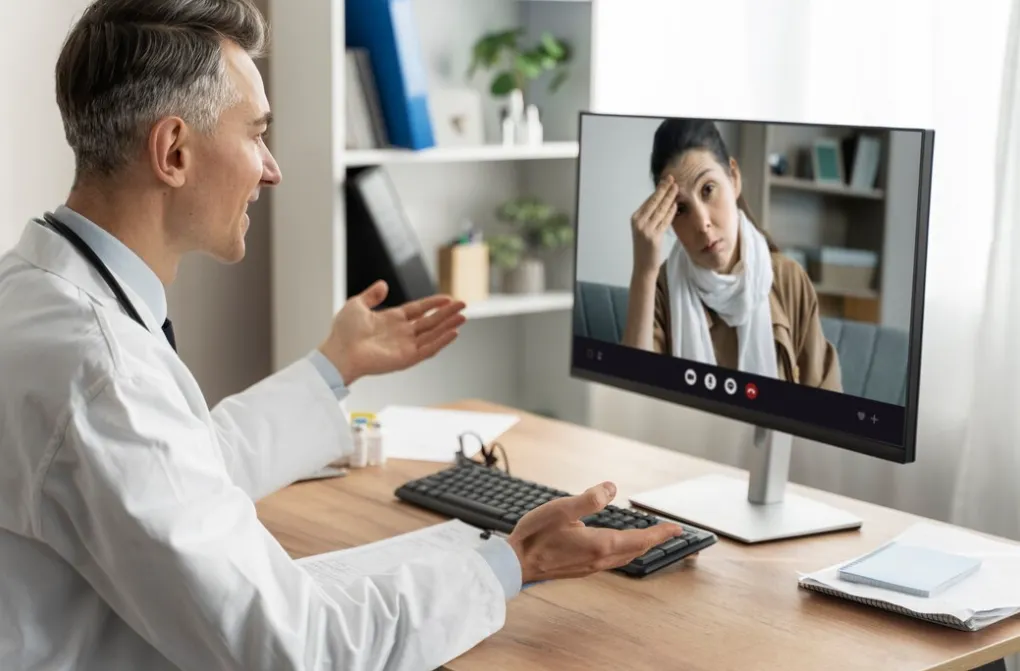
Healthcare is a rapidly evolving industry, and one of the reasons is telemedicine in healthcare. No longer do patients need to depend on traditional face-to-face office visits as a means of handling every question, follow-up, and minor health concern. The advancement of telemedicine in healthcare is making it increasingly convenient to access care, stay consistent with care, and avoid the added stress of travel and lost work. This is one of the reasons telemedicine in healthcare has become such a vital part of the patient experience.
Simply put, telemedicine is a way of making healthcare more convenient, more flexible, and sometimes more accessible to patients who might otherwise put off care. In this blog, we will explore the major ways telemedicine improves healthcare, when it is best utilized, and why patients are increasingly turning to it.
Better Access Through Telemedicine Services
One of the greatest advantages of telemedicine services is that they provide access. For some people, accessing a clinic is not always easy. This is due to factors such as travel time, waiting, distance, and even difficulties in moving from one place to another.
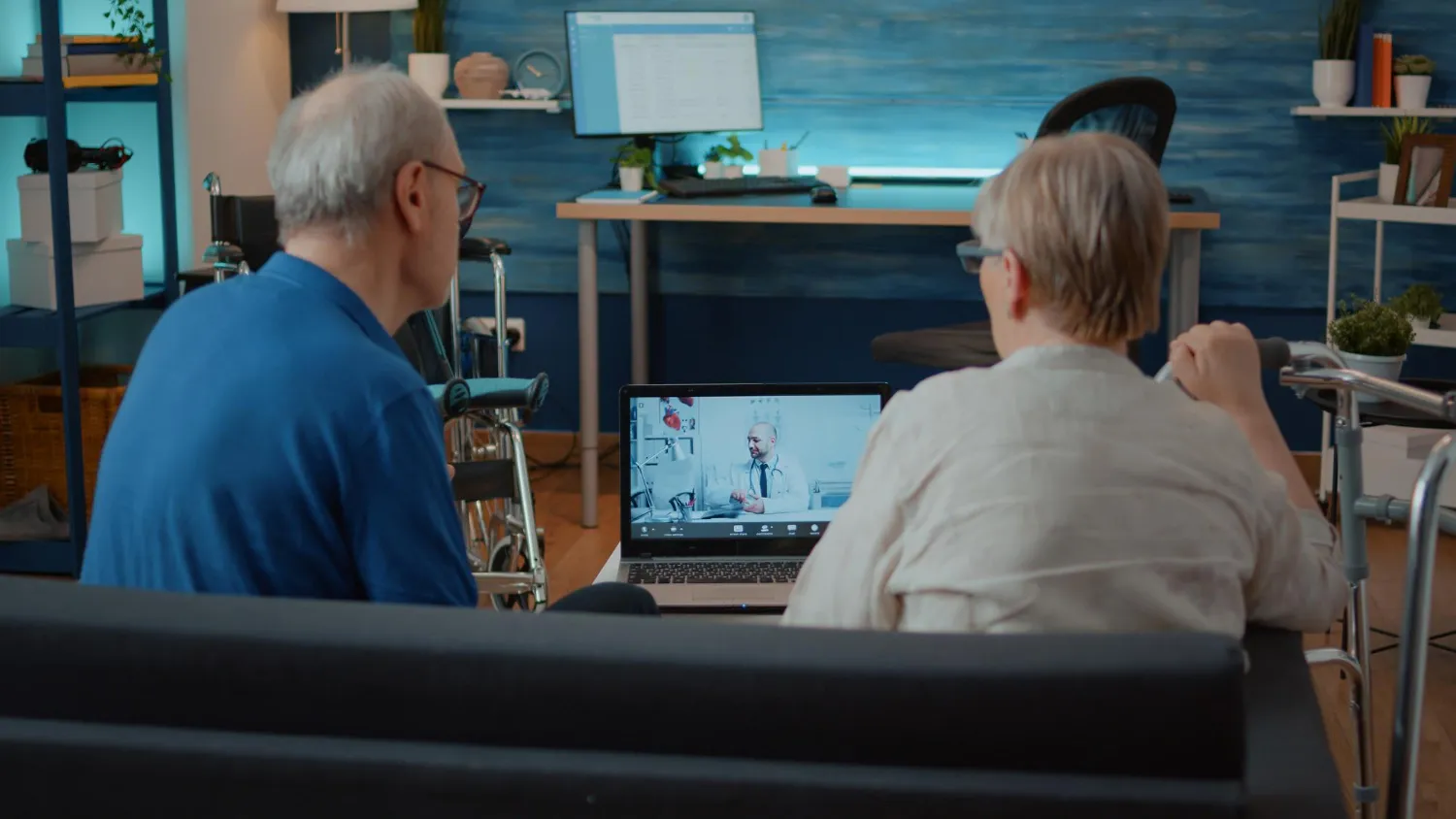
However, virtual health services provide a solution for some of these issues. This is particularly beneficial for rural residents, busy families, the elderly, and even people with disabilities that make it difficult for them to access healthcare services from home. When access is enhanced, people will be motivated to ask questions, attend appointments, and stay connected instead of waiting until the situation worsens.
Convenience of Seeing A Telemedicine Doctor
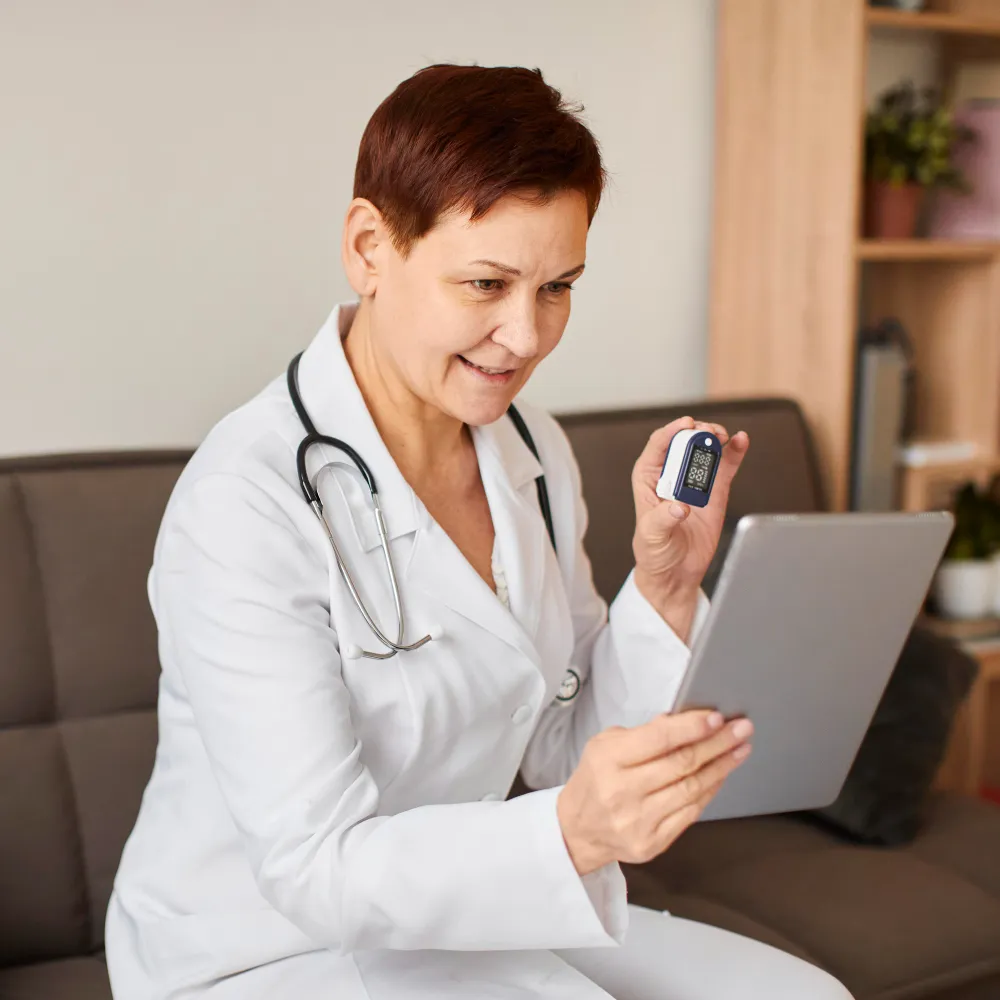
Seeing a telemedicine doctor can make healthcare feel much more manageable in everyday life. Instead of rearranging your whole day around an appointment, you may be able to connect from home, work, or another private setting.
This convenience matters more than people sometimes realize. It can reduce time away from work, school, parenting responsibilities, or caregiving duties. It also makes it easier for patients to keep follow-up visits instead of skipping them because life gets busy. When care feels easier to access, people are often more consistent about actually getting it.
Stronger Continuity with Telemedicine Jacksonville Fl
This is one of the most important aspects of quality healthcare, and telemedicine jacksonville fl can assist. Virtual care can also assist with check-ins between scheduled visits. This can be especially helpful to those dealing with chronic health issues or a care plan.
Rather than waiting months to bring up a concern, patients may be able to connect sooner and address any changes or issues. This keeps the healthcare provider involved and the patient feeling cared for and not forgotten between scheduled visits.
Remote Monitoring and the Virtual Health Assistant
A virtual health assistant could potentially provide a further layer of support by helping patients stay organized and involved in their care.
A virtual health assistant may also serve as a further aid for a person by keeping that person organized with their health care.
Tools for remote monitoring may also help a person monitor their health data such as blood pressure, sugar levels, heart rate, and other vital information that may be tracked at home. Such a digital aid may help doctors detect any changes in a patient’s health condition before they actually occur. This may help doctors take action before any complications arise.
Better Care Coordination with Telemedicine In Healthcare
Another advantage telemedicine may have over traditional care is in the area of care coordination. This means if doctors can communicate with each other in an efficient manner, then care coordination for a patient may become better.
This would ensure that a patient has a better health care experience. It would also ensure that doctors coordinate better for a patient if there are a number of them involved in a particular patient’s health care. This is so because there would be confusion among them if they cannot communicate with each other properly.
Cost and Time Benefits of Telemedicine Services
In most cases, telemedicine services ensure that patients save on both time and money. Even if there is no real savings on the price of a consultation with a doctor, there is still a chance to save on other aspects.
This would ensure that a patient does not find routine follow-ups overwhelming. It would also ensure that if health care is not overwhelming for a patient, then they would be able to maintain good health care habits.
When A Telemedicine Doctor Is The Right Choice
A telemedicine doctor is often a great option for follow-ups, medication reviews, chronic care check-ins, minor illnesses, and mental health support. These types of visits often rely heavily on conversation, symptom review, and treatment planning, which can work well virtually.
That said, virtual care is not right for everything. If you need a physical exam, imaging, lab testing, procedures, or urgent hands-on evaluation, in-person care is still the better choice. A good rule is to consider how serious the symptoms feel, whether testing may be needed, and whether a provider needs to physically examine you.
Why More Patients in Jacksonville, FL Prefer Telemedicine Services
More and more patients are turning to telemedicine jacksonville fl because it is a model of how life is today. It offers flexible scheduling, better communication tools, and the convenience of seeking medical attention from the comfort of their homes. It is also important to note that patients want to be able to ask questions and get follow-ups on time. This is why telemedicine is seen to be less stressful and more doable for many people.
FAQs
What Is Telemedicine In Healthcare?
It is the use of phone, video, and digital technologies to provide healthcare services remotely.
When Should I Use A Telemedicine Doctor?
Virtual care may be a good option for follow-up appointments, medication consultations, minor illnesses, chronic care check-ins, and some mental health care.
Are Telemedicine Services As Effective As In-Person Visits?
Virtual care may be very effective for the right concerns, but in-person care may still be necessary for physical exams, testing, imaging, or urgent hands-on care.
Conclusion on Telemedicine In Healthcare
In conclusion, telemedicine in healthcare offers convenience and accessibility to health care services. It makes health care services easier to use and easier to maintain. It does not replace traditional health care services entirely. However, telemedicine offers an alternative that makes health care services better for patients. It makes health care services better for patients by helping them stay connected and seek medical attention for their health concerns with minimal disruptions to their daily activities.
Stay Connected to Care, Even on Busy Days
Explore telemedicine services for convenient check-ins, medication reviews, and ongoing support that fits your schedule.