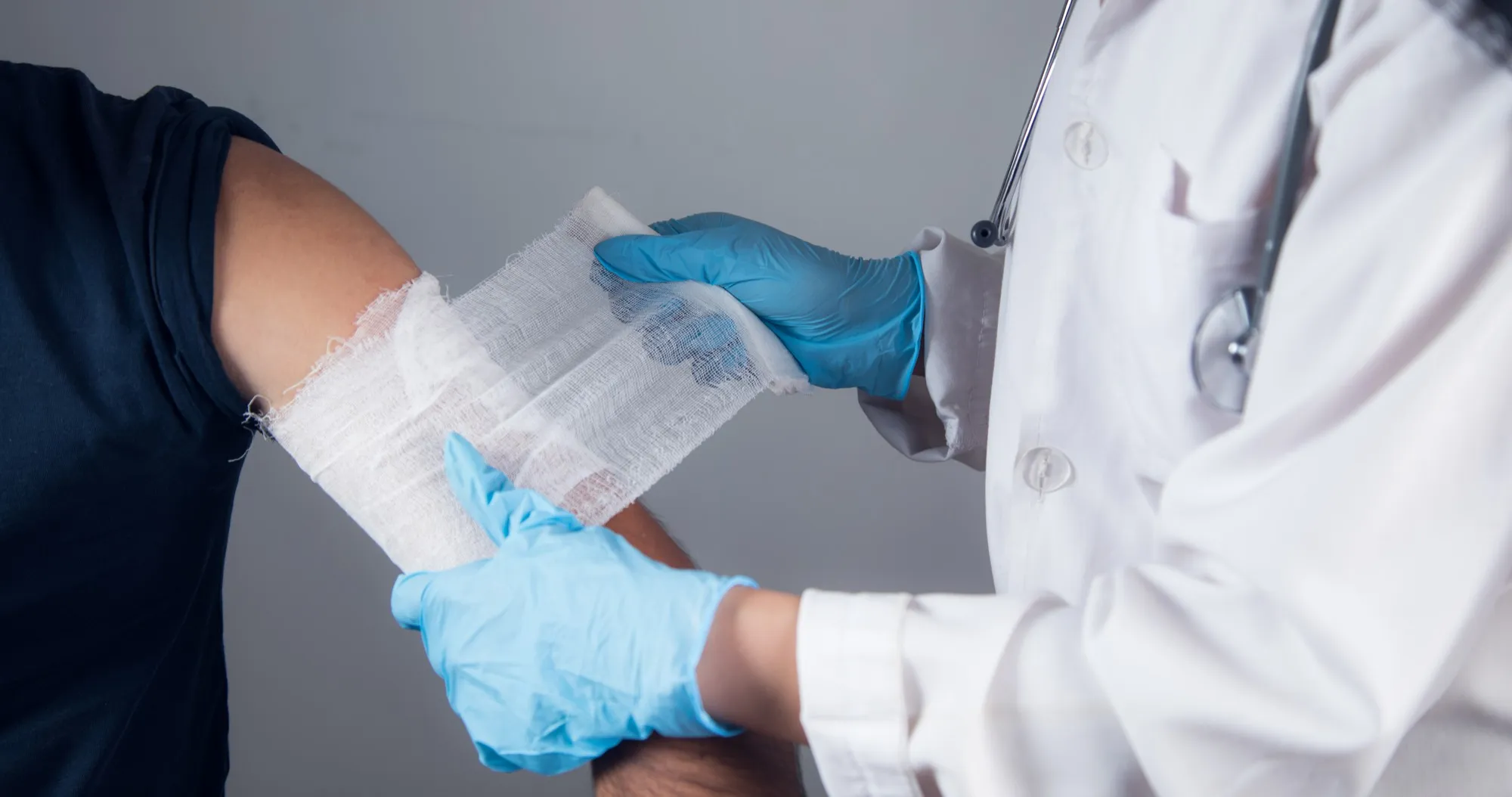
Some wounds have the ability to heal over time and with little care. However, some wounds have the potential to become more painful and inflamed. This could be a sign that the wound is not healing in the normal way. Infection can also develop very fast if the wound is deep and exposed to bacteria and/or has a medical condition. This is where seeking help from a wound care clinic can make a huge impact. In most cases, seeking help at the right time can prevent further symptoms and consequences. In addition to that, the wound care clinic can also help patients understand if what they are seeing is normal and if something is wrong.
In this blog, we will learn about some of the common signs that a wound has become infected. In addition to that, we will also learn about some of the wounds that have the potential to become more prone to infection.
What an Infected Wound Looks Like and Why Wound Care Treatment Matters
Some redness, tenderness, and discharge are part of the healing process. However, if the symptoms are getting worse instead of better, this may be a sign of infection.
Some of the Common Signs of Infection are:
- Increased redness
- Increased swelling
- Increased warmth around the wound
- Increased pain
- Pus
- A foul odor
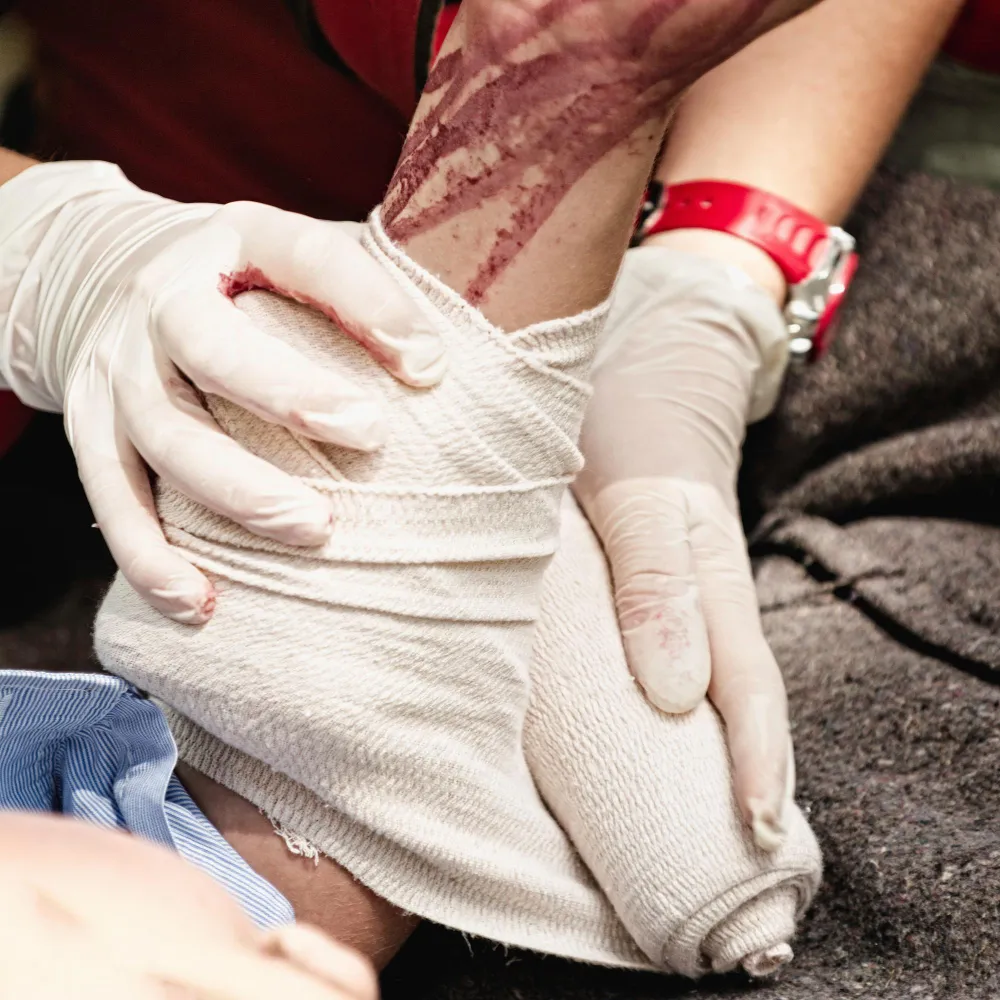
A wound that worsens instead of healing may be a sign that the wound needs some wound care treatment. The first step towards healing a wound is to understand the difference between a healing wound and a spreading wound.
When Drainage and Odor are Red Flags for Wound Cleaning Treatment
However, not all drainage indicates infection. In some cases, wounds can drain a little bit of clear or pinkish liquid as they heal. This is perfectly normal. What should be of concern is that the drainage is thick and has characteristics that are colored yellow, green, and cloudy, and that it has a bad smell.
The above changes could be an indication that there is an accumulation of bacteria in the wound. At this point, the wound cleaning treatment could be of great help in removing bacteria and other debris in the wound and thus create a clean environment for healing to take place.
Why Some People are More Likely to Have Infected Wounds
Some people are at a higher risk of wound infection due to the fact that the wound is not able to heal easily. This is because of conditions like diabetes, circulation problems, pressure ulcers, lack of mobility, and weak immunity.
It is for this reason that many wounds are taken to wound care centers. This is because when the wound is not able to heal easily, it leaves the wound open to the risk of infection and other complications.
Why Diabetic Foot Ulcers Need Extra Attention
Besides that, diabetic foot ulcers are one of the high-risk wounds that need to be closely monitored. Diabetic patients may not be able to feel and see that they have developed foot ulcers and that the ulcers are getting worse, and this can cause infections to develop.
Possible Signs That Could Indicate Infection Include:
- Increase in redness
- Swelling
- Drainage
- Skin breakdown
- Increase in warmth
- Fever
Besides that, diabetic foot ulcers can progress quickly, and that is why early treatment is important to prevent further infections and other possible complications that could be difficult to treat.
When to Choose an Outpatient Wound Care Clinic
Not all wounds may be considered emergencies, but they may still require regular monitoring and care. An outpatient wound care clinic may be a viable choice for patients experiencing non-emergency wounds that may not be too serious to merit hospitalization or may not be too insignificant to merit professional care.
Outpatient care may be best suited for patients experiencing slow-healing wounds, post-surgical wounds, and recurring skin breakdowns. In addition, this type of care may be best for patients who may not be able to seek hospital care for one reason or another.
What Wound Care Treatment May Include
The right care plan depends on the type of wound, how deep it is, whether infection is present, and the patient’s overall health.
Treatment May Include:
- Cleaning
- Dressing changes
- Infection control
- Pressure relief
- Moisture balance
- Support for tissue healing
Personalized wound care treatment matters because no two wounds heal exactly the same way. A small surface wound may need simple support, while a chronic or deeper wound may need more advanced care and close monitoring over time.
How A Wound Treatment Program Supports Healing
If the wound is a chronic wound, a slow-healing wound, or a wound that tends to come back, then a wound treatment program can be more structured for the patient.
Structured care is very important, especially considering that wound healing is a process that requires consistency, not just a single session of care. A program-based approach can help patients stay consistent with their wound healing, which can make a huge impact on the patient’s wound healing.
When to Seek Urgent Help at A Wound Care Center
There are some signs that should not be ignored, especially when it comes to wound healing.
Some of The Signs Include:
- Fever
- Increasing redness
- Increased pain
- Red streaks moving away from the wound
- Black tissue
- Worsening symptoms
In cases like this, the wound care center can be the best option for the patient, especially if the patient is ignoring the signs of a worsening wound, which can lead to the infection of the blood or deeper tissue. It is always better to seek help as soon as the symptoms of a worsening wound appear, especially if the symptoms are worsening rapidly.

FAQs
How Do I Know If My Wound Is Infected?
The common signs of infection include increasing redness, swelling, and pain, pus or discharge, foul odor, and increasing or worsening symptoms.
When Should I Go To An Outpatient Wound Care Clinic?
When a patient has a wound that is not healing or needs to be monitored but is not a true emergency, visiting an outpatient wound care clinic may be appropriate.
Why Are Diabetic Foot Ulcers So Serious?
Diabetic foot ulcers can become serious because they can progress rapidly, and diabetes can cause poor circulation and lack of feeling, which may cause delayed healing and infection.
When Should I See A Wound Care Specialist?
You should consider a wound care specialist when a wound is not healing properly, shows signs of infection, or requires specialized treatment.
When Should I Seek Urgent Wound Care?
Seek urgent wound care if you notice spreading redness, significant swelling, severe pain, pus or drainage, fever, or other signs that an infection may be worsening.
Conclusion
Of course, not all infections within a wound begin with obvious signs and symptoms. Sometimes, the signs and symptoms can begin with a little more redness, unusual discharge, bad odor, and pain that builds up. Being aware of this can prevent further problems from occurring later on.
Wounds that do not heal properly, worsen instead of improving, and show signs of infection can benefit greatly from professional assistance at ValueCare Clinic.
Early Wound Care Can Prevent Bigger Problems
If a wound is not healing properly, the right treatment can help reduce infection risk and support recovery.