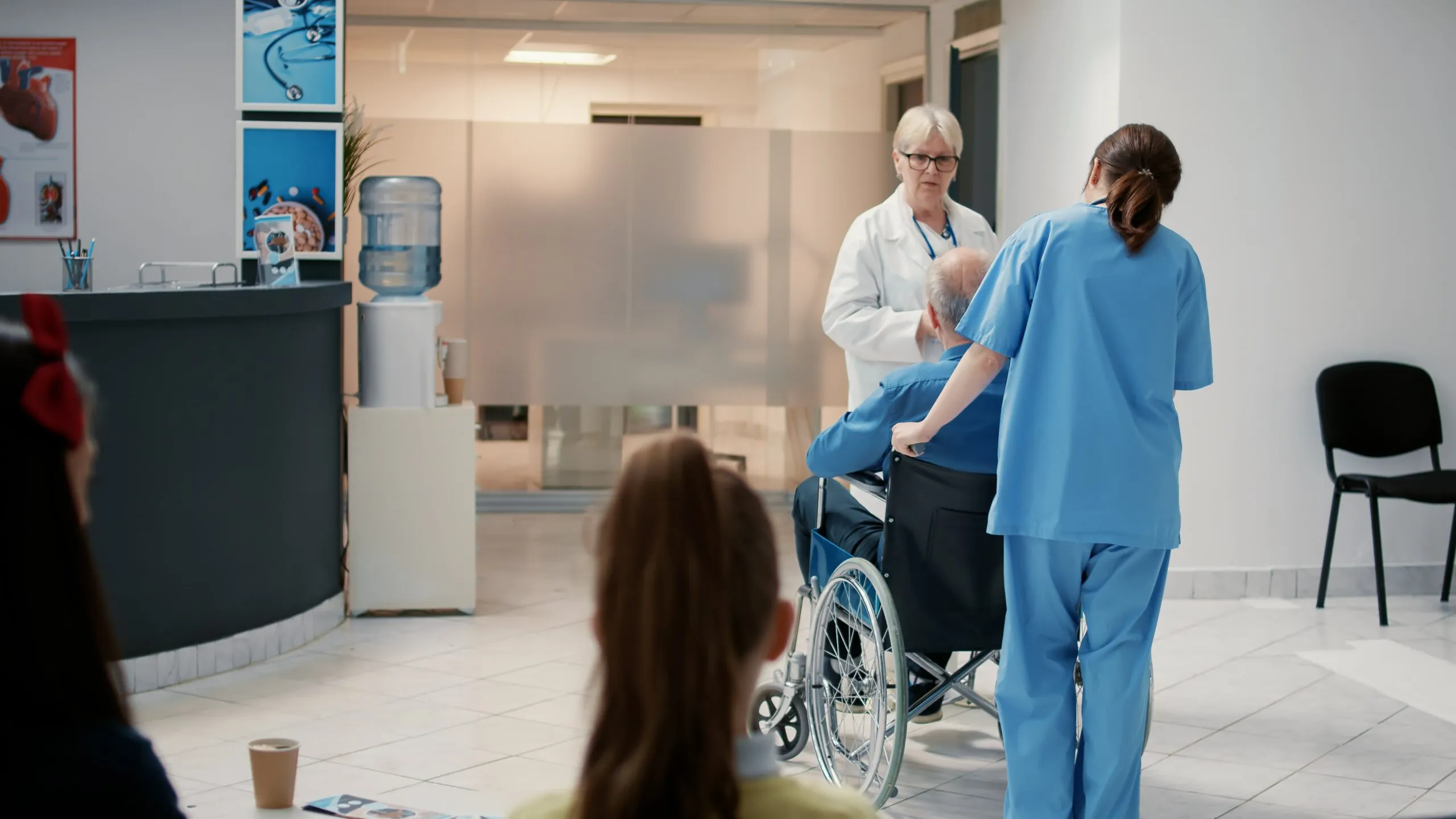
Patients are increasingly opting for the walk-in clinic in search of a more expeditious way of receiving treatment for any of their health-related problems that may not necessarily require an urgent response. Should one experience symptoms of fever, sore throat, small injuries, or unexpected sickness, scheduling a visit for several days ahead of time is often not a feasible solution. And thus, the walk-in clinic has become a much-needed alternative for all those who need fast and quality care in times of need.
However, despite the availability of walk-in clinics, there are certain preconceived notions that may prevent individuals from seeking out the proper medical assistance. This blog post will provide some clarifications on the most common myths associated with walk in clinics and reveal the truth behind them.
Misconception: A Walk In Clinic Only Treats Minor Illnesses
It is often believed that walk-in care centers offer only limited services; however, walk in clinics are able to address most non-emergent conditions, which include coughing, common cold, flu symptoms, sore throat, ear infection, minor injury such as a scratch, sprain, rash, urological problems, and other medical issues.
The crucial point is that the condition should not be life-threatening, but immediate care should be needed. It should be noted that it does not depend on the importance of a particular issue but on whether the condition is a health emergency.

Misconception: A Jacksonville Walk In Clinic Always Requires Long Waiting Times
A Jacksonville walk in clinic could be one of the fastest and most efficient solutions to receive medical care. The majority of walk-in clinics utilize the online registration system, quick admission procedure, and several physicians to provide better patient management and avoid waiting time.
Although waiting times differ from case to case, many patients consider walk-in clinics as more convenient in addressing their health issues compared to scheduling a visit at other medical facilities.
Misconception: A Health Care Clinic Is Too Expensive
Another common myth is that a health care clinic costs almost as much as the emergency room. In many cases, that is simply not true. For everyday medical needs that are not life-threatening, clinic care is often a more affordable option.
Many clinics accept insurance, and out-of-pocket costs are often lower than what patients would face in an ER for the same type of non-emergency issue. That makes clinic care a practical choice for people who want timely treatment without unnecessary expense.
Misconception: An Urgent Care Center Jacksonville Cannot Support Ongoing Care
It is believed that urgent care visits have no connection to other aspects of health management and are not helpful for continuous treatment. On the contrary, all of those visits are always documented well, and healthcare providers can refer patients to specialists or recommend further follow-up and contacting a family physician. Although urgent care visits cannot be substitutes for routine appointments with a general practitioner, they can undoubtedly provide continuity by ensuring proper treatment and subsequent recommendations.
What Walk-In Clinics Provide To Their Patients
Patients who visit a walk-in clinic can expect the following benefits. First, it offers them an opportunity to receive the needed medical care on the same day and helps diagnose and treat a wide variety of conditions. Second, the staff of such clinics is qualified enough to deal with numerous diseases. Third, the service is quite convenient for people who need a quick medical consultation.
When To Visit A Jacksonville Walk In Clinic
A Jacksonville walk-in clinic is often the right choice for coughs, colds, fever, sore throat, minor injuries, infections, rashes, and other routine concerns that need prompt evaluation.
It can make more sense than waiting several days for an appointment, especially when symptoms are uncomfortable or getting worse. Choosing the right care setting can save time, reduce stress, and help patients get treated sooner.
When An Urgent Care Center Jacksonville Is The Better Choice
Urgent care is positioned between primary care and the ER. The latter is usually more appropriate if the patient faces an urgent but non-life-threatening situation requiring immediate treatment; this includes moderate sickness, pain, or minor injuries.
Severe chest pains, difficulty breathing, signs of stroke, major trauma, or profuse bleeding must be addressed in emergency rooms at all times. Being aware of the differences will help patients receive the best possible care under the circumstances.
The Importance Of A Health Care Clinic In Communities
A health care clinic assists in increasing access to timely treatment services by providing assistance to those patients who have been unable to make a same-day appointment with a primary care physician.
Clinics provide community members with easy access to their health care needs on a day-to-day basis.

FAQs
What Can A Walk In Clinic Treat?
A walk-in clinic can often treat non-emergency concerns like colds, flu symptoms, sore throat, ear infections, minor injuries, rashes, and other routine medical issues.
Is A Jacksonville Walk In Clinic Cheaper Than The Emergency Room?
In many non-life-threatening situations, yes. Walk-in and urgent care visits are often more affordable than emergency room care.
When Should I Go To An Urgent Care Center Jacksonville Instead Of The ER?
Urgent care is a good option for immediate but non-emergency concerns. For severe chest pain, trouble breathing, stroke symptoms, or major trauma, emergency care is the right choice.
Can I Get A Same-Day Appointment?
Same-day appointments may be available, making walk-in clinics a convenient option for patients who need timely medical attention.
Conclusion: The Truth About Using A Walk In Clinic
There are various misconceptions regarding walk-in clinics, which have much more to offer than one could imagine. There are various services available at these clinics, and these facilities have shorter waiting time, as well as lower expenses for the patients.
Understanding the actual role of the two aforementioned facilities makes it much easier for the patient to make a well-founded choice among them—especially with guidance from ValueCare Clinic.
Need Care Today Without the Long Wait?
Walk-in care makes it easier to get timely treatment for non-emergency illnesses, minor injuries, and everyday health concerns.