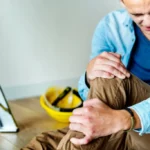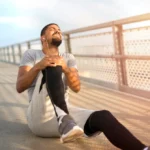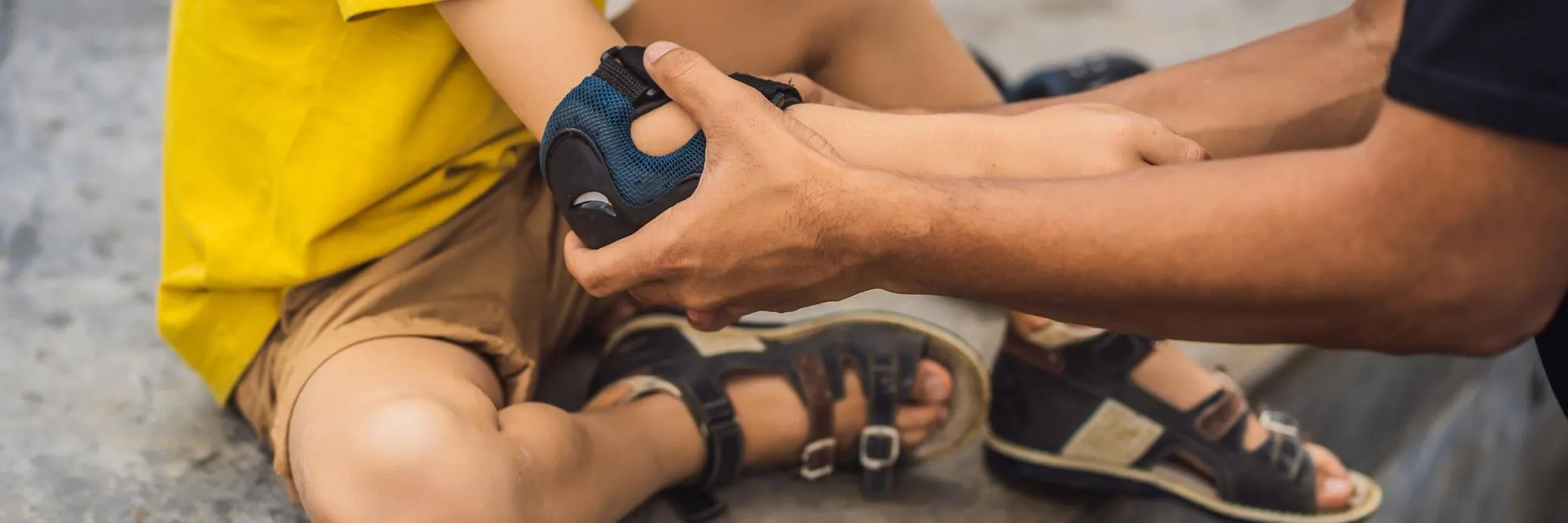
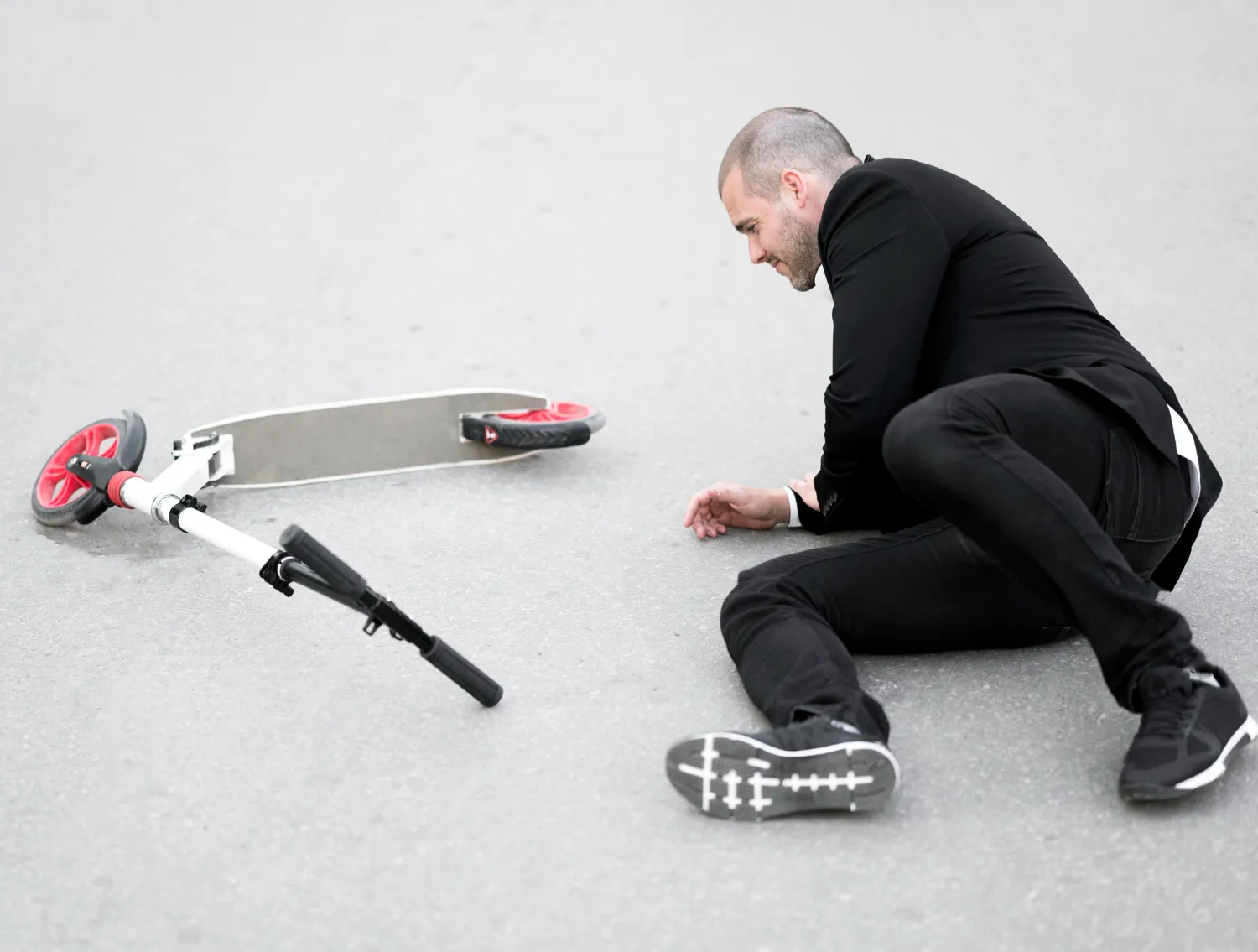
Slips and falls occur frequently since they can take place in any place you might think of, like your house, a grocery store aisle, a parking area, a workplace corridor, and even at stairs that you’ve visited hundreds of times before. To put it simply, a slip and fall is a situation in which your balance is disturbed due to certain hazards present around that were not expected by you and/or could not be avoided in time.
But this is the bad news: even small slips can result in actual injuries. You might end up with a sprained ankle, a fracture of your arm as you attempt to break your fall, and/or damage of your back or hips that you will only notice later. It is important to know the most frequent causes of such incidents, prevention strategies, and what should be done once one occurs.
In this article, we’ll discuss the most widespread slip and fall causes, preventive actions, and situations in which contacting personal injury specialists in Jacksonville is appropriate.
Cause #1: Cluttered Or Blocked Walkways (Trip Hazards)
One of the most common reasons people fall is simple: there isn’t a clear path to walk safely.
Common trip hazards include:
- Boxes or packages left in hallways
- Toys on the floor
- Loose cords and cables
- Rugs that bunch up
- Uneven floor items or small objects you don’t notice until it’s too late
Why it causes falls: when your foot catches on something unexpected, your body doesn’t have time to correct balance.
Prevention tips:
- Keep hallways and high-traffic areas clear
- Secure loose cables against walls
- Remove unnecessary obstacles (especially near stairs and entrances)
- Use non-slip mats and rug grips where needed
Cause #2: Spills And Wet Floors That Aren’t Cleaned Immediately
Wet floors are a classic slip and fall risk, and they’re often preventable.
Common scenarios:
- Water spills in kitchens, bathrooms, or store aisles
- Leaks from refrigerators, sinks, or AC units
- Freshly mopped floors without warning
- Drink spills at restaurants or events
Why it causes falls: water reduces traction, and your foot can slide out from under you in a split second.
Prevention tips:
- Clean spills right away using proper supplies
- Use absorbent materials and dry the area fully
- Block off the area until it’s safe to walk on
- In public spaces, staff should monitor high-risk areas (entrances on rainy days, restrooms, beverage stations)
Cause #3: Missing Or Unclear Warning Signs (Poor Signage)
Sometimes the hazard isn’t the spill itself, it’s the lack of warning.
Examples:
- “Wet floor” signs not used at all
- Signs placed too far away from the hazard
- Signs that blend in or aren’t easy to see
- Signs that are outdated or unreadable
Why it causes falls: people can’t anticipate danger if they aren’t alerted in time.
Prevention tips:
- Place bright, visible caution signs near the hazard
- Use signs that are easy to spot from multiple angles
- Regularly inspect signage so it stays readable and effective
Cause #4: Poor Lighting In Walkways, Stairs, And Entrances
This is another case whereby people only realize its importance when it creates problems.
Risky areas:
- Dark hallways
- Damaged lights in the staircases
- Insufficiently lit entries
- Parking lots and sidewalks that are dark
Reasons why it leads to falls: It makes hazards difficult to identify such as stairs, edges, water marks, cracks, and obstacles.
Prevention techniques:
- Replacement of the damaged bulbs and ensuring better lighting in busy areas
- Installation of lights with motion sensors
- Improving lighting at entry and staircases areas
- Make sure outdoor walkways are well lit, especially where people step up or down
Cause #5: Lack Of Handrails Or Unstable Handrails
Handrails aren’t just a “nice to have.” They’re a safety tool, especially on stairs, ramps, and areas with elevation changes.
Why it causes falls: when someone loses balance, a stable handrail can be the difference between a quick recovery and a hard fall.
Prevention tips:
- Install handrails or grab bars where needed
- Ensure handrails are securely mounted
- Repair loose rails immediately
- Make sure rails are built to handle real weight and pressure
“Hidden” Contributing Factors: Not Paying Attention
Even when hazards are small, distraction makes them more dangerous.
Common examples:
- Rushing
- Texting while walking
- Carrying items that block your view
- Walking in new areas without looking down
- Walking barefoot or wearing poor footwear
What is important: your mind does not realize the danger before it is too late.
Prevention methods:
- Move slowly in new places
- Keep your hands free where possible
- Be cautious in wet and low light conditions
- Exercise caution around stairs and steps
What To Do If A Slip And Fall Happens (Quick, Practical Steps)
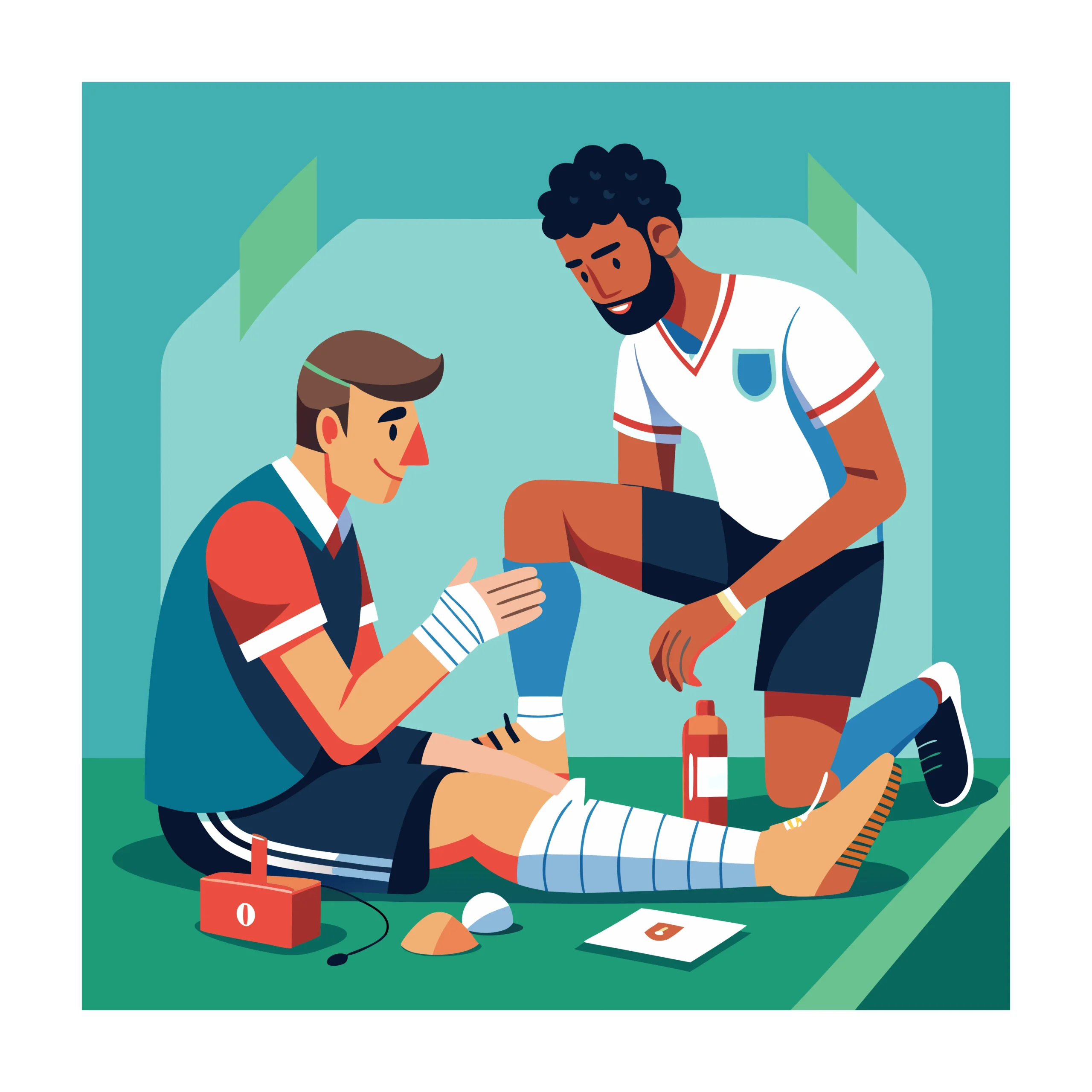
If a slip and fall happens, your first goal is safety, your second goal is documentation and medical follow-up.
Quick steps:
- Check for pain, swelling, dizziness, or limited movement (possible injuries)
- Move to a safe place and ask for help if needed
- If possible, document the scene (spill, lighting, missing signage, obstacles)
- Get names of witnesses if you’re in a public place
- Seek medical evaluation, even if symptoms feel “minor” at first
Some injuries show up later, especially back, neck, and head symptoms. Getting checked helps protect your health and creates a clear record of what happened.
When To Talk To Personal Injury Specialists In Jacksonville
Not every fall requires legal support, but there are situations where it makes sense to ask questions and understand your options.
You may want to talk to personal injury specialists in Jacksonville if:
- The fall caused ongoing pain or limited mobility
- You missed work or couldn’t perform normal responsibilities
- You have incurred medical expenses, follow-up treatment, or physical therapy
- The risk could have been prevented (untended spill, lack of signs, poor lighting, absence of handrails)
How personal injury specialists in Jacksonville can help you: they will give you clear guidance on the way forward, they will help you know what documents are important, and advise you on how to proceed following your accident.
FAQs
1) What Are Some Common Injuries From Slip And Fall Incidents?
They are ankle sprain, wrist injury, knee pain, back strain, hip injury, and head injury among others depending on how someone falls.
2) Do I Need To Go To The Hospital Even Though I Am Feeling Fine After Falling?
Yes, it is advisable since certain symptoms will develop hours or even days after the incident.
3) What Do I Need To Document In Case Of Slip And Fall In A Public Place?
Document the risk involved (spill, bad lighting, lack of signs, mess) where possible and get witnesses’ information. This might come in handy in case of further treatment or talking to personal injury specialists in Jacksonville.
Conclusion: Prevention Reduces Risk, But Know Your Next Step
Slip and fall accidents are common, but many causes are preventable. The biggest risks usually come down to:
- Clutter and trip hazards
- Spills and wet floors
- Poor signage
- Poor lighting
- Missing or unstable handrails
- Distraction and rushing
Safer spaces reduce falls, and quick action after a fall protects your health. If you’re dealing with lingering symptoms or preventable hazards, seeking a medical evaluation and understanding your options can help you move forward with greater clarity, especially with support from ValueCare Clinic.
Stability Starts With the Right Diagnosis
A structured psychiatric assessment can help you understand what’s happening and guide treatment, medication monitoring, therapy coordination, and follow-ups.